

How to Alcohol Detox at Home
Some people find it convenient and safe to detox from alcohol at home. It requires careful planning to ensure that the process goes as smoothly as possible.
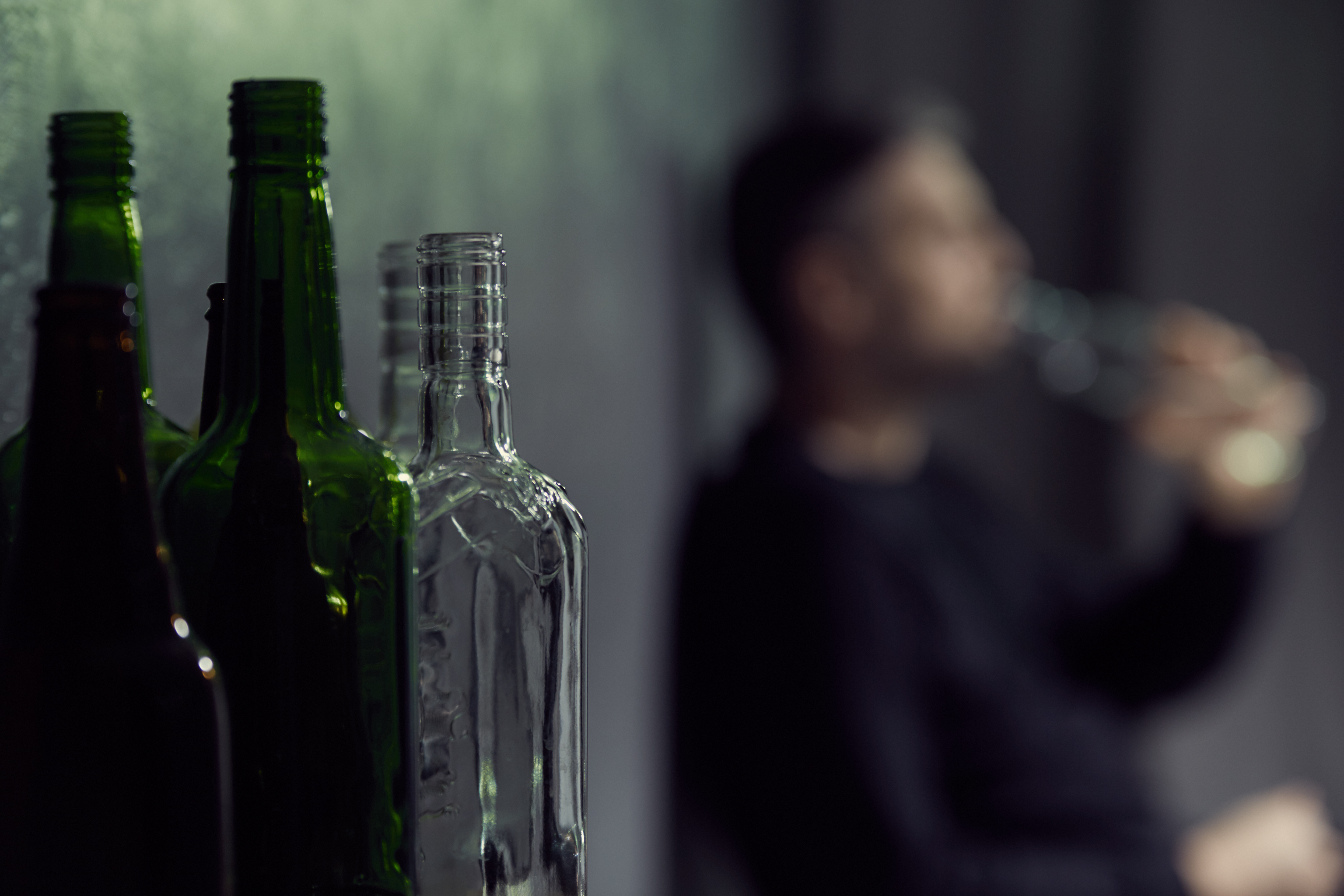
During detoxification, it's important to remove any temptations from your home. This is because withdrawal symptoms that are severe can arise, including the delirium tremens that could be fatal.
1. Get Medical Attention
Alcohol addiction can trigger severe withdrawal symptoms if a person abruptly quits drinking. The symptoms may start within 24 hours of the last drink, and may include hallucinations, seizures and even hallucinations. These symptoms are potentially dangerous and even fatal. It is not safe to drink alcohol and dehydrate at home.
There are a few ways to make the process more secure however, it is vital to talk with a medical professional prior to starting an at-home detox. They can determine if the alcoholism is enough severe to require a home detox, and prescribe medication to aid in the reduction of withdrawal symptoms. They can help you develop an emergency plan should you experience withdrawal symptoms that are dangerous such as delirium or seizures.
Eliminate all alcohol from your home to increase the security of a detox at home. This will prevent the possibility of consuming alcohol by accident and will make it easier to resist temptation. You should also spend time with people who help you stay sober and encourage you to continue the process. While detoxing from alcohol, it is essential to adhere to the right diet. This will help you recover from the withdrawal symptoms and provide your body with the nutrition it needs to remain healthy.
alcohol home detox uk is essential to remember that detoxification is only the beginning step in the recovery process. Therapy sessions over time will help you maintain sobriety and help you discover the root causes of alcoholism. If you are ready to start your journey to recovery, BetterHelp can connect you with a therapist who's right for you. Complete the questionnaire and find a therapist.
2. Create Alcohol difficult to access
Home detox is generally not recommended for those with severe alcohol addictions because of the risk of dangerous withdrawal symptoms. These include seizures and delirium tremens, which can be fatal. These symptoms include tremors and confusion and hallucinations, fevers, sweating, and rapid heart rate. They may also cause harm to others who are around them.
Fortunately, it is possible to detox safely from alcohol at home, as long as certain precautions are taken. You should first make sure you do not have any alcohol in your home or in your vehicle. If you have alcohol in your home or car eliminate it by pouring it down a drain or giving it away to a person who doesn't drink. It's difficult, but necessary to have a safe and efficient detox.
It is also essential to keep yourself away from social situations that can induce cravings for alcohol. You can do this by changing your hangouts or involving yourself in new activities. alcohol detox center can also gradually reduce your drinking over the course of several days or weeks before you stop entirely. This can help reduce withdrawal symptoms from alcohol and also reduce the severity of them.
You should also consider hydration, healthy food and moderate exercise to improve your mood and counteract the effects of withdrawal from alcohol. You can also pursue an interest or take on a new hobby to help you escape your alcohol cravings. You can also join a support group, such as Alcoholics Anonymous or SMART Recovery to support you during your detox. Additionally, you can take up meditation to relax and concentrate on your mental well-being.
3. Get Support
If you have a moderate alcohol dependence it is possible to detox at home if done correctly. If you are addicted to alcohol severely, you may need professional help, since withdrawal symptoms may be too severe for you to handle at home.
During detox, it is essential to have a support system in place. Inviting family and friends to check on your progress during the detox process is an excellent way to get support. This will allow them to support you and could also be used to call medical professionals in case of need. You can also make it difficult for people to get alcohol by removing it or throwing it out. This will help you avoid temptation and increase your chances of the success of your detox.
Additionally, private alcohol detox should consume a healthy diet during this period. Make sure you consume a balanced diet that includes fruits, vegetables, proteins, and carbohydrates. Avoid beverages with caffeine like coffee and tea to stay hydrated. They can cause anxiety and disrupt sleep.
While detoxing, it is also important to get plenty of sleep. This will help you recuperate from withdrawal symptoms and rest your body. It is also a good idea to use relaxation techniques such as meditation and deep breathing to ease stress. A good night's rest will aid in the elimination of alcohol-related toxins more efficiently.
4. Keep Your Schedule Clean
It may be difficult to get your schedule clear for some time, or even weeks, but this is essential if you want to be successful in your detox. Making a day off from work or requesting an absence leave from your employer will allow you the time to cleanse without distractions. You should make sure someone will check in on your progress throughout the detox process and consult with medical professionals should you experience any complications.
It is also essential to keep alcohol out of your home and avoid going places where alcohol is served, since this will reduce temptation. If you're an avid drinker, you should eliminate all the alcohol from your house and dispose of any bottles. The NIAAA states that this will aid in avoiding any relapses in the future and make it easier to stay sober.
If you are feeling the desire to drink, distract yourself by doing something other. This could include taking a walk, watching a movie or hanging out with friends who don't drink. It's crucial to find a healthy way to manage your cravings as they will eventually occur and may be more intense if you're not prepared for them.
It is possible to detox from alcohol at home, however it is important to be aware of the risks involved and seek out professional treatment if you decide to do it. Alcohol withdrawal symptoms can be extreme and life-threatening. It is not recommended that you taper or stop drinking alcohol in a cold manner, since it can trigger withdrawal symptoms. Additionally, self-detoxing from alcohol is more risky than going to a residential detox center because you won't have access any medical assistance.
5. Keep Hydrated
Alcohol withdrawal is considered one of the most dangerous types of withdrawal from substances. It can trigger life-threatening symptoms like seizures and hallucinations. It is recommended that you seek professional medical help for detox at a reputable facility, rather than trying to do it yourself.
While going through the detoxification process, it's important to have support as cravings are hard to overcome. A support network can help you to avoid temptations and help you stay motivated. It could be a family member, family member, friend or even a group of like-minded people who are in recovery. It is also important to ensure that you have plenty of water and foods available to avoid dehydration, as it could occur in withdrawal.
Be active and distracting to lessen your cravings. Find a new hobby or take up a new project that can keep your mind off of alcohol and help you stay sober. Try deep breathing exercises or mediation to relax your mind if you find it difficult to stay focused. You should also remove all alcohol and related items from your home to help you remain sober.
Drinking alcohol causes the body to become dehydrated, which can cause electrolyte deficiency that could cause serious health issues when detoxing from alcohol including seizures, increased heart rate, hallucinations and more. It is recommended to drink a minimum of 0.5-1oz of water daily to help combat these symptoms. If you're sweating a lot as a result of withdrawal from alcohol, it's best to consume more water than this amount. Water also helps flush away toxins from your body and is a great way to help with the process of detoxing from alcohol.